 Add to Chrome
 Add to Firefox
 Add to Edge
UrbanMoE: A Sparse Multi-Modal Mixture-of-Experts Framework for Multi-Task Urban Region Profiling
Jan 30, 2026
Urban region profiling, the task of characterizing geographical areas, is crucial for urban planning and resource allocation. However, existing research in this domain faces two significant limitations. First, most methods are confined to single-task prediction, failing to capture the interconnected, multi-faceted nature of urban environments where numerous indicators are deeply correlated. Second, the field lacks a standardized experimental benchmark, which severely impedes fair comparison and reproducible progress. To address these challenges, we first establish a comprehensive benchmark for multi-task urban region profiling, featuring multi-modal features and a diverse set of strong baselines to ensure a fair and rigorous evaluation environment. Concurrently, we propose UrbanMoE, the first sparse multi-modal, multi-expert framework specifically architected to solve the multi-task challenge. Leveraging a sparse Mixture-of-Experts architecture, it dynamically routes multi-modal features to specialized sub-networks, enabling the simultaneous prediction of diverse urban indicators. We conduct extensive experiments on three real-world datasets within our benchmark, where UrbanMoE consistently demonstrates superior performance over all baselines. Further in-depth analysis validates the efficacy and efficiency of our approach, setting a new state-of-the-art and providing the community with a valuable tool for future research in urban analytics

Applications of Explainable artificial intelligence in Earth system science
Jun 12, 2024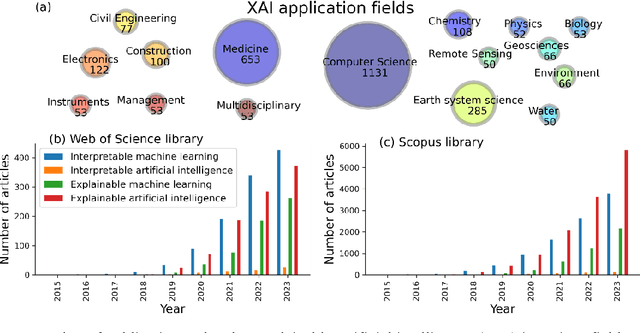
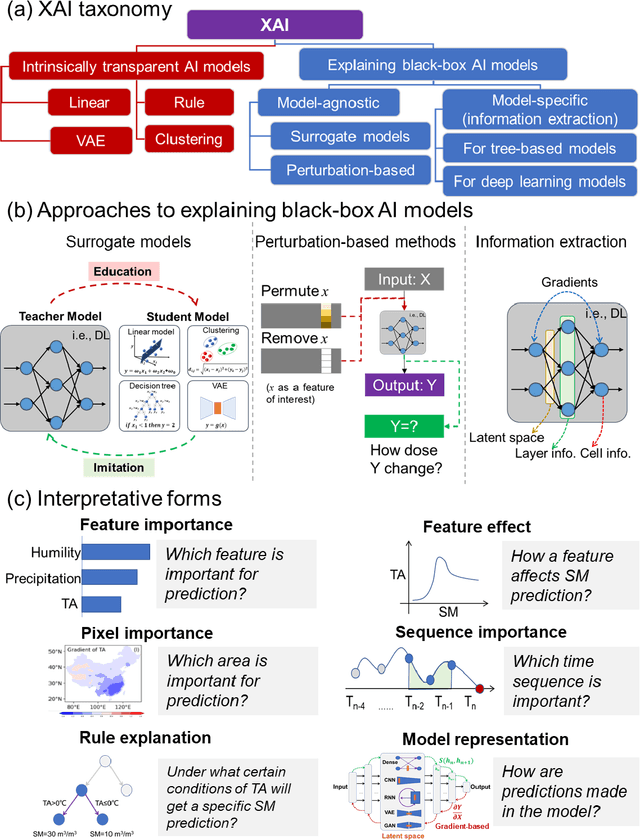
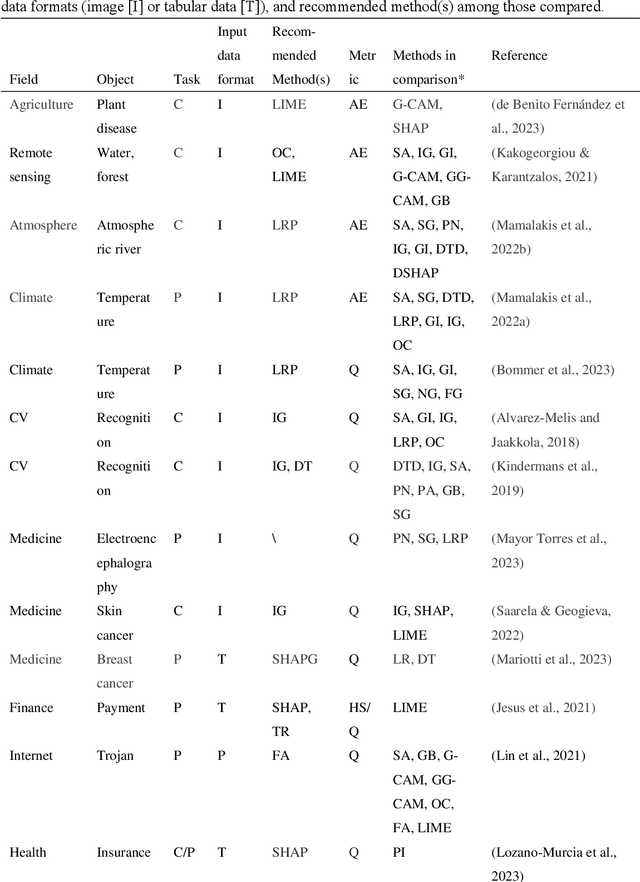
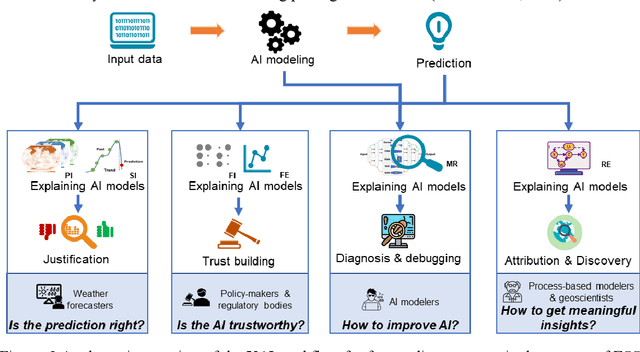
In recent years, artificial intelligence (AI) rapidly accelerated its influence and is expected to promote the development of Earth system science (ESS) if properly harnessed. In application of AI to ESS, a significant hurdle lies in the interpretability conundrum, an inherent problem of black-box nature arising from the complexity of AI algorithms. To address this, explainable AI (XAI) offers a set of powerful tools that make the models more transparent. The purpose of this review is twofold: First, to provide ESS scholars, especially newcomers, with a foundational understanding of XAI, serving as a primer to inspire future research advances; second, to encourage ESS professionals to embrace the benefits of AI, free from preconceived biases due to its lack of interpretability. We begin with elucidating the concept of XAI, along with typical methods. We then delve into a review of XAI applications in the ESS literature, highlighting the important role that XAI has played in facilitating communication with AI model decisions, improving model diagnosis, and uncovering scientific insights. We identify four significant challenges that XAI faces within the ESS, and propose solutions. Furthermore, we provide a comprehensive illustration of multifaceted perspectives. Given the unique challenges in ESS, an interpretable hybrid approach that seamlessly integrates AI with domain-specific knowledge appears to be a promising way to enhance the utility of AI in ESS. A visionary outlook for ESS envisions a harmonious blend where process-based models govern the known, AI models explore the unknown, and XAI bridges the gap by providing explanations.