 Add to Chrome
 Add to Firefox
 Add to Edge
UXBench: Benchmarking User Experience in AI Assistants
Jun 09, 2026
As AI assistants serve millions of users daily, evaluating user experience (UX) beyond general model capability has become increasingly important. We present UXBench, the first user-centric benchmark grounded in real user feedback signals for evaluating preference alignment and dialogue generation. The benchmark consists of three interconnected tasks, UX Judge, UX Eval, and UX Recovery, with 7,400 test instances extracted from over 70K interaction logs of a mainstream Chinese AI assistant. The dataset closely reflects real user distributions, covering 8 scenarios, 83 domains, and diverse failure patterns that pose severe challenges. Extensive experiments on 26 frontier language models provide novel insights into how well models perceive user experience and how improvements in model capability contribute to better dialogue engagement. Through comprehensive analysis of model behavior and performance gaps, we show that user feedback prediction is a learnable capability, where a reward model trained from in-the-wild feedback signals can achieve well-calibrated accuracy. We further document the systematic biases of LLM-as-a-judge evaluation protocols and compare typical response strategies that directly affect user experience. UXBench establishes a new evaluation landscape and calls for greater attention to tailored UX optimization, contributing to a user-centric scaling law that shapes the success of AI assistants.

MaintAGT:Sim2Real-Guided Multimodal Large Model for Intelligent Maintenance with Chain-of-Thought Reasoning
Nov 30, 2024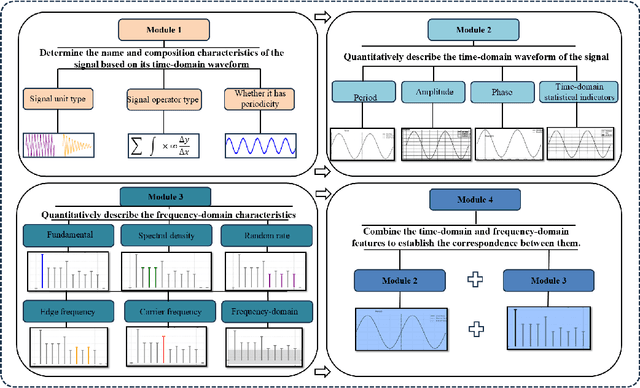
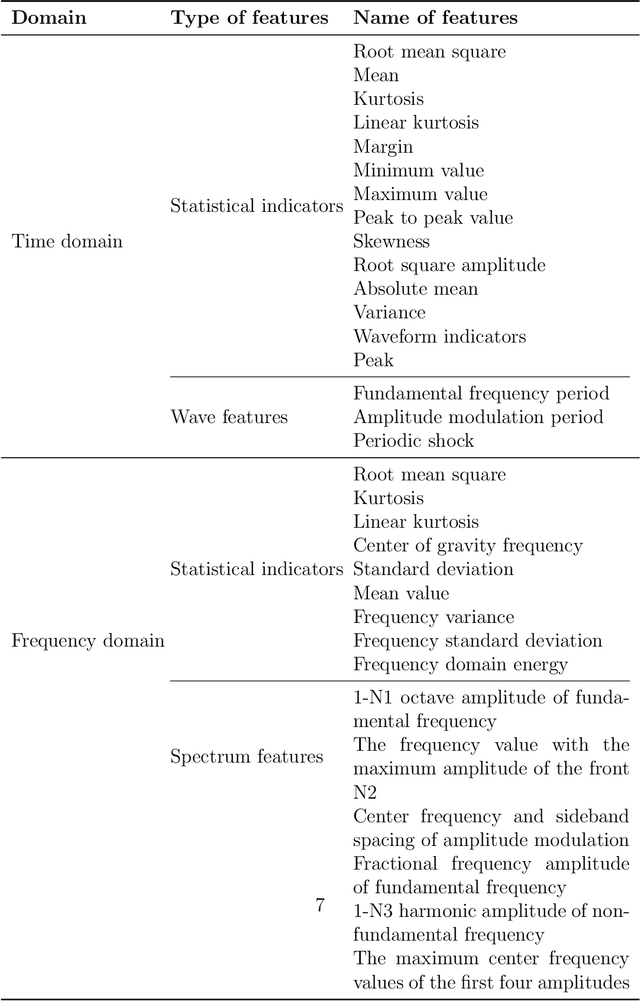
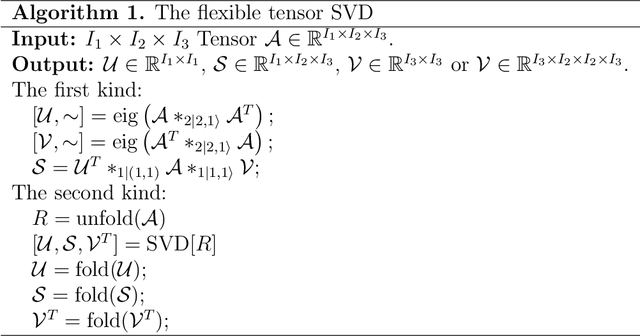
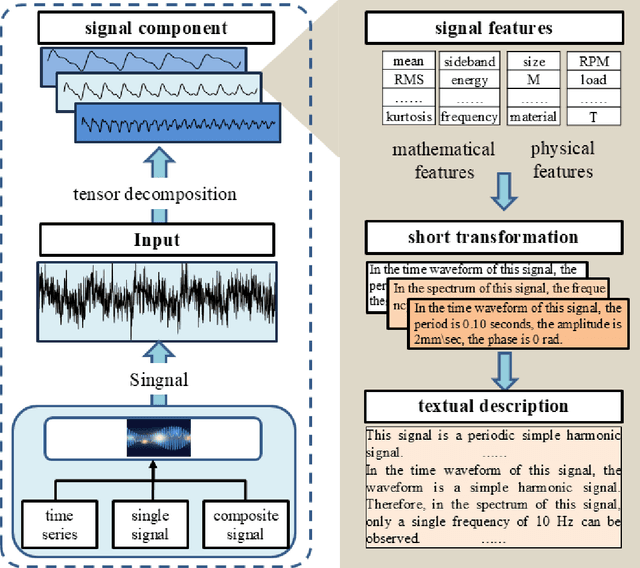
In recent years, large language models have made significant advancements in the field of natural language processing, yet there are still inadequacies in specific domain knowledge and applications. This paper Proposes MaintAGT, a professional large model for intelligent operations and maintenance, aimed at addressing this issue. The system comprises three key components: a signal-to-text model, a pure text model, and a multimodal model. Firstly, the signal-to-text model was designed to convert raw signal data into textual descriptions, bridging the gap between signal data and text-based analysis. Secondly, the pure text model was fine-tuned using the GLM4 model with specialized knowledge to enhance its understanding of domain-specific texts. Finally, these two models were integrated to develop a comprehensive multimodal model that effectively processes and analyzes both signal and textual data.The dataset used for training and evaluation was sourced from academic papers, textbooks, international standards, and vibration analyst training materials, undergoing meticulous preprocessing to ensure high-quality data. As a result, the model has demonstrated outstanding performance across multiple intelligent operations and maintenance tasks, providing a low-cost, high-quality method for constructing large-scale monitoring signal-text description-fault pattern datasets. Experimental results indicate that the model holds significant advantages in condition monitoring, signal processing, and fault diagnosis.In the constructed general test set, MaintAGT achieved an accuracy of 70%, surpassing all existing general large language models and reaching the level of an ISO Level III human vibration analyst.This advancement signifies a crucial step forward from traditional maintenance practices toward intelligent and AI-driven maintenance solutions.