 Add to Chrome
 Add to Firefox
 Add to Edge
The AI Genie Phenomenon and Three Types of AI Chatbot Addiction: Escapist Roleplays, Pseudosocial Companions, and Epistemic Rabbit Holes
Jan 19, 2026
Recent reports on generative AI chatbot use raise concerns about its addictive potential. An in-depth understanding is imperative to minimize risks, yet AI chatbot addiction remains poorly understood. This study examines how to characterize AI chatbot addiction--why users become addicted, the symptoms commonly reported, and the distinct types it comprises. We conducted a thematic analysis of Reddit entries (n=334) across 14 subreddits where users narrated their experiences with addictive AI chatbot use, followed by an exploratory data analysis. We found: (1) users' dependence tied to the "AI Genie" phenomenon--users can get exactly anything they want with minimal effort--and marked by symptoms that align with addiction literature, (2) three distinct addiction types: Escapist Roleplay, Pseudosocial Companion, and Epistemic Rabbit Hole, (3) sexual content involved in multiple cases, and (4) recovery strategies' perceived helpfulness differ between addiction types. Our work lays empirical groundwork to inform future strategies for prevention, diagnosis, and intervention.

Understanding Machine-learned Density Functionals
May 27, 2014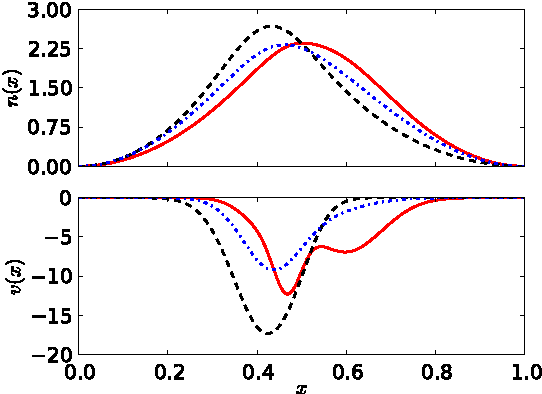
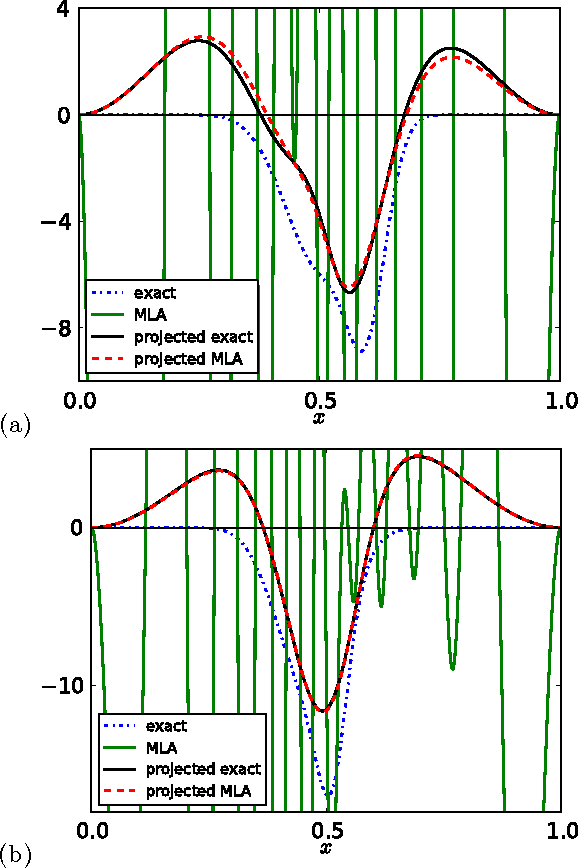
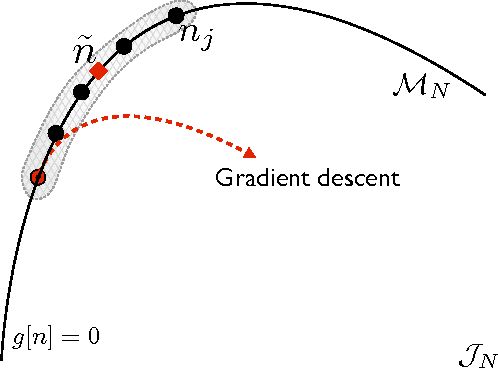
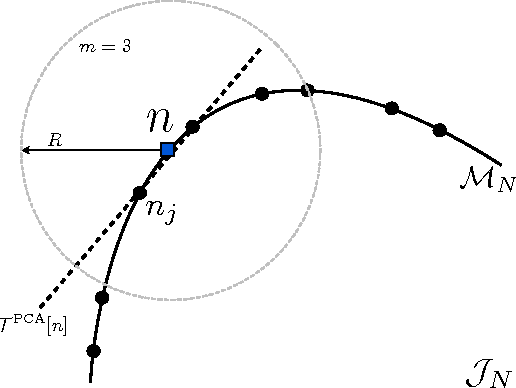
Kernel ridge regression is used to approximate the kinetic energy of non-interacting fermions in a one-dimensional box as a functional of their density. The properties of different kernels and methods of cross-validation are explored, and highly accurate energies are achieved. Accurate {\em constrained optimal densities} are found via a modified Euler-Lagrange constrained minimization of the total energy. A projected gradient descent algorithm is derived using local principal component analysis. Additionally, a sparse grid representation of the density can be used without degrading the performance of the methods. The implications for machine-learned density functional approximations are discussed.