 Add to Chrome
 Add to Firefox
 Add to Edge
Trademark Search, Artificial Intelligence and the Role of the Private Sector
Jan 22, 2026
Almost every industry today confronts the potential role of artificial intelligence and machine learning in its future. While many studies examine AI in consumer marketing, less attention addresses AI's role in creating and selecting trademarks that are distinctive, recognizable, and meaningful to consumers. Traditional economic approaches to trademarks focus almost exclusively on consumer-based, demand-side considerations regarding search. However, these approaches are incomplete because they fail to account for substantial costs faced not just by consumers, but by trademark applicants as well. Given AI's rapidly increasing role in trademark search and similarity analysis, lawyers and scholars should understand its dramatic implications. This paper proposes that AI should interest anyone studying trademarks and their role in economic decision-making. We examine how machine learning techniques will transform the application and interpretation of foundational trademark doctrines, producing significant implications for the trademark ecosystem. We run empirical experiments regarding trademark search to assess the efficacy of various trademark search engines, many of which employ machine learning methods. Through comparative analysis, we evaluate how these AI-powered tools function in practice. In an age where artificial intelligence increasingly governs trademark selection, the classic division between consumers and trademark owners deserves an updated, supply-side framework. This insight has transformative potential for encouraging both innovation and efficiency in trademark law and practice.

Enhancing Public Understanding of Court Opinions with Automated Summarizers
Nov 11, 2023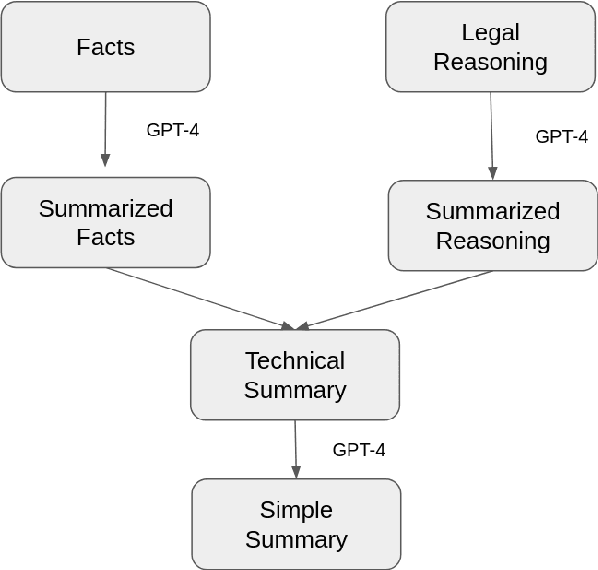
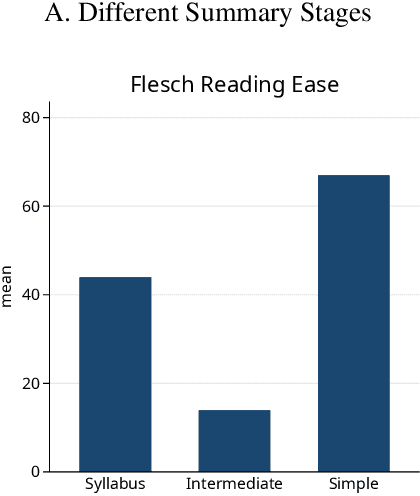
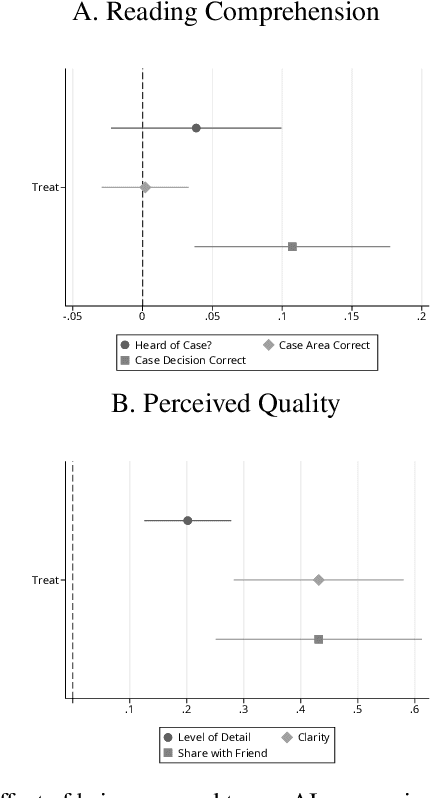
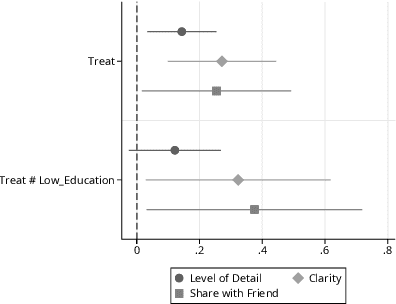
Written judicial opinions are an important tool for building public trust in court decisions, yet they can be difficult for non-experts to understand. We present a pipeline for using an AI assistant to generate simplified summaries of judicial opinions. These are more accessible to the public and more easily understood by non-experts, We show in a survey experiment that the simplified summaries help respondents understand the key features of a ruling. We discuss how to integrate legal domain knowledge into studies using large language models. Our results suggest a role both for AI assistants to inform the public, and for lawyers to guide the process of generating accessible summaries.
Improving Traffic Safety Through Video Analysis in Jakarta, Indonesia
Nov 30, 2018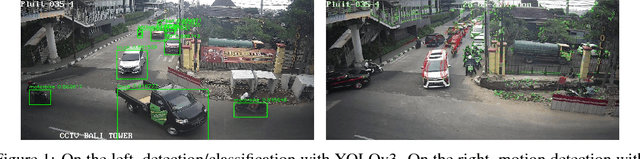

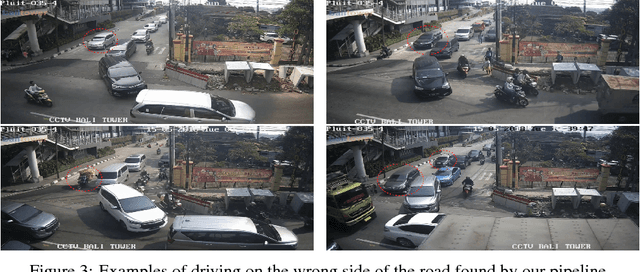
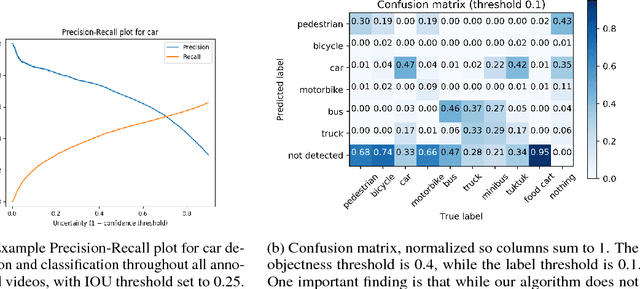
This project presents the results of a partnership between the Data Science for Social Good fellowship, Jakarta Smart City and Pulse Lab Jakarta to create a video analysis pipeline for the purpose of improving traffic safety in Jakarta. The pipeline transforms raw traffic video footage into databases that are ready to be used for traffic analysis. By analyzing these patterns, the city of Jakarta will better understand how human behavior and built infrastructure contribute to traffic challenges and safety risks. The results of this work should also be broadly applicable to smart city initiatives around the globe as they improve urban planning and sustainability through data science approaches.