 Add to Chrome
 Add to Firefox
 Add to Edge
Convenience vs. Control: A Qualitative Study of Youth Privacy with Smart Voice Assistants
Jan 07, 2026
Smart voice assistants (SVAs) are embedded in the daily lives of youth, yet their privacy controls often remain opaque and difficult to manage. Through five semi-structured focus groups (N=26) with young Canadians (ages 16-24), we investigate how perceived privacy risks (PPR) and benefits (PPBf) intersect with algorithmic transparency and trust (ATT) and privacy self-efficacy (PSE) to shape privacy-protective behaviors (PPB). Our analysis reveals that policy overload, fragmented settings, and unclear data retention undermine self-efficacy and discourage protective actions. Conversely, simple transparency cues were associated with greater confidence without diminishing the utility of hands-free tasks and entertainment. We synthesize these findings into a qualitative model in which transparency friction erodes PSE, which in turn weakens PPB. From this model, we derive actionable design guidance for SVAs, including a unified privacy hub, plain-language "data nutrition" labels, clear retention defaults, and device-conditional micro-tutorials. This work foregrounds youth perspectives and offers a path for SVA governance and design that empowers young digital citizens while preserving convenience.

Navigating AI to Unpack Youth Privacy Concerns: An In-Depth Exploration and Systematic Review
Dec 20, 2024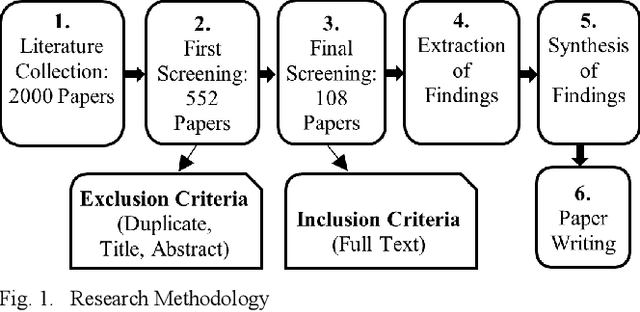
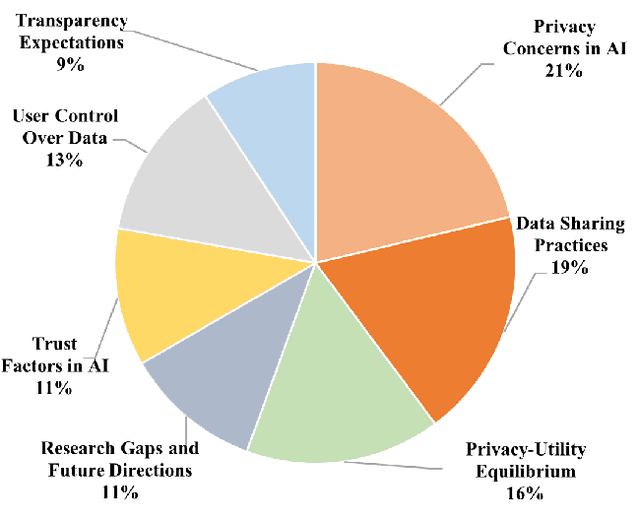
This systematic literature review investigates perceptions, concerns, and expectations of young digital citizens regarding privacy in artificial intelligence (AI) systems, focusing on social media platforms, educational technology, gaming systems, and recommendation algorithms. Using a rigorous methodology, the review started with 2,000 papers, narrowed down to 552 after initial screening, and finally refined to 108 for detailed analysis. Data extraction focused on privacy concerns, data-sharing practices, the balance between privacy and utility, trust factors in AI, transparency expectations, and strategies to enhance user control over personal data. Findings reveal significant privacy concerns among young users, including a perceived lack of control over personal information, potential misuse of data by AI, and fears of data breaches and unauthorized access. These issues are worsened by unclear data collection practices and insufficient transparency in AI applications. The intention to share data is closely associated with perceived benefits and data protection assurances. The study also highlights the role of parental mediation and the need for comprehensive education on data privacy. Balancing privacy and utility in AI applications is crucial, as young digital citizens value personalized services but remain wary of privacy risks. Trust in AI is significantly influenced by transparency, reliability, predictable behavior, and clear communication about data usage. Strategies to improve user control over personal data include access to and correction of data, clear consent mechanisms, and robust data protection assurances. The review identifies research gaps and suggests future directions, such as longitudinal studies, multicultural comparisons, and the development of ethical AI frameworks.